
Romeo and Juliet Act II: A Comprehensive Study Guide
Act II marks a shift towards joyful romance, exploring the burgeoning love between Romeo and Juliet․ Despite familial hatred, their connection deepens, culminating in a secret marriage—a pivotal moment․
Overview of Act II
Act II of Romeo and Juliet represents a significant turning point in the play, transitioning from the initial conflict and attraction to a concentrated exploration of the lovers’ passionate and rapidly developing relationship․ Often considered the “happiest” act, Shakespeare deliberately focuses on the positive aspects of young love, contrasting sharply with the overarching tragedy․
The act unfolds immediately after the Capulet feast, with Romeo impulsively returning to the Capulet orchard․ This sets the stage for the iconic balcony scene, a cornerstone of romantic literature․ Throughout the act, obstacles – the feud between their families – are acknowledged, yet the strength of Romeo and Juliet’s affection is presented as a force capable of overcoming these barriers․
Crucially, Act II witnesses the involvement of key supporting characters like Friar Laurence and the Nurse, who become instrumental in facilitating the lovers’ secret plans․ The act culminates in a clandestine marriage, orchestrated by Friar Laurence with the hope of ending the family feud, though foreshadowing hints at potential consequences․ This act establishes the momentum for the tragedy to come, driven by the lovers’ desperate attempts to be together․
The Chorus and the Prologue
Act II opens not with a scene of action, but with a prologue delivered by the Chorus․ This fourteen-line verse serves as a crucial bridge from Act I, immediately reminding the audience of the pre-existing animosity between the Montague and Capulet families․ The Chorus explicitly states that this deep-seated hatred will present significant challenges to Romeo and Juliet’s burgeoning love․
However, the prologue doesn’t dwell solely on obstacles․ It also foreshadows the power of their affection, suggesting that their love will be a driving force, attempting to overcome the “practical barriers” imposed by the family feud․ This creates dramatic irony, as the audience knows the tragic outcome, while the characters remain hopeful․
The prologue’s function is to compress time and provide context․ It swiftly moves the narrative forward, establishing the immediate setting – outside the walls of the Capulet’s orchard – and preparing the audience for the events that will unfold․ It’s a concise summary of the act’s central conflict: love versus hate, and the challenges the lovers will face․
Scene 1: The Streets of Verona ⎯ Initial Setting
Scene 1 immediately follows the Capulet feast, taking place in the streets of Verona, specifically outside the orchard wall of the Capulet estate․ This location is significant as it represents the boundary between the public world of conflict and the private world where Romeo and Juliet’s love will blossom․ The scene is brief, serving primarily as a transitional space and establishing the immediate proximity of the lovers despite their families’ feud․
The setting is characterized by darkness and secrecy, foreshadowing the clandestine nature of Romeo and Juliet’s relationship․ Romeo, unable to leave, lingers near the orchard wall, still captivated by Juliet․ This initial setting emphasizes his impulsive nature and his willingness to risk everything for love․
The scene’s brevity contrasts with the emotional intensity of Romeo’s feelings․ It’s a quiet moment of anticipation, building tension before the iconic balcony scene․ The streets of Verona, usually a place of public confrontation, are now a backdrop for a private, passionate pursuit․
Scene 1: Romeo’s Soliloquy ― Love’s Influence
Romeo’s soliloquy in Scene 1 is a crucial moment demonstrating the transformative power of love․ Having just witnessed Juliet, Romeo delivers a passionate speech, abandoning his previous infatuation with Rosaline․ He describes Juliet with radiant imagery, contrasting sharply with his earlier melancholic tone․ This shift highlights love’s ability to eclipse past affections and ignite intense devotion․
The soliloquy is filled with light and dark imagery, a recurring motif in the play․ Romeo portrays Juliet as a source of light, banishing the darkness of his previous despair․ He expresses a willingness to defy societal norms and risk danger for a glimpse of her, showcasing the all-consuming nature of his newfound love․

This speech isn’t merely about physical attraction; it’s a declaration of a profound spiritual connection․ Romeo’s language is elevated and poetic, reflecting the idealized nature of his feelings․ The soliloquy establishes the central conflict: a love born amidst hatred, destined for either triumph or tragedy․
Scene 2: The Balcony Scene ⎯ Initial Encounter
The balcony scene is arguably the most famous in the play, marking the initial, direct encounter between Romeo and Juliet․ It unfolds after the Capulet feast, with Romeo impulsively returning to Juliet’s orchard․ He overhears her soliloquy, unaware she’s present, and is captivated by her words, revealing his identity shortly after․
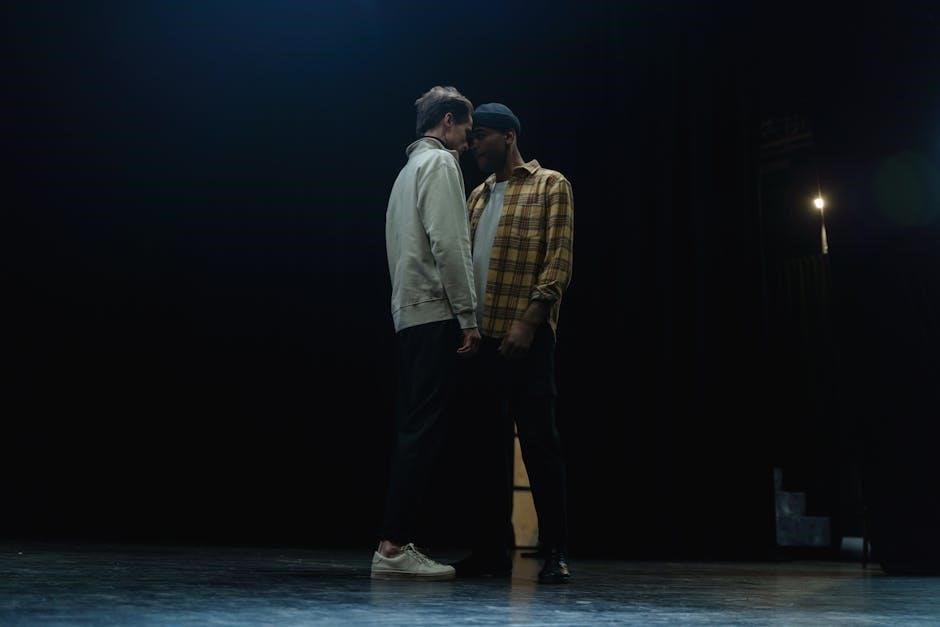
This scene is characterized by a playful exchange of vows and declarations of love․ They grapple with the obstacles posed by their families’ feud, yet their passion overrides caution․ The scene’s setting – the darkness of the night, illuminated by Juliet’s metaphorical light – reinforces the themes of secrecy and forbidden love․

Shakespeare masterfully uses poetic language and imagery, particularly relating to light and darkness, to convey the intensity of their emotions․ The balcony serves as a symbolic barrier, representing the societal constraints they must overcome․ This encounter solidifies their commitment, setting the stage for their secret marriage․
Scene 2: Juliet’s Soliloquy ⎯ Expressing Her Feelings
Juliet’s soliloquy, delivered before Romeo reveals himself, is a pivotal moment for understanding her internal conflict and burgeoning feelings․ She laments Romeo’s identity as a Montague, acknowledging the deep-seated hatred between their families, yet simultaneously acknowledging the irresistible pull she feels towards him․

This speech is a powerful expression of youthful passion and defiance․ Juliet questions the significance of names, suggesting that a Montague is merely a label and wouldn’t diminish her love for Romeo if he were called by another name․ She wrestles with the societal expectations and familial obligations that threaten to keep them apart․
The soliloquy showcases Juliet’s maturity and independent thought․ She isn’t simply swept away by romance; she actively considers the implications of her feelings․ It’s a moment of self-discovery, where she recognizes the depth of her emotions and begins to contemplate a future defying her family’s wishes․
Scene 2: The Balcony Scene ― Dialogue and Vows
The balcony scene is arguably the most famous in the play, marked by a passionate exchange between Romeo and Juliet after their initial encounter․ Their dialogue quickly moves beyond initial attraction to declarations of love and a desire for commitment, despite the obstacles facing them․
Romeo, initially hidden, reveals himself, and their conversation is filled with poetic imagery and vows of eternal devotion․ They grapple with the practicality of their situation – the feud, the danger – but their love overrides these concerns․ Juliet expresses her concern over Romeo’s impulsiveness, yet reciprocates his feelings wholeheartedly․
Crucially, they exchange vows of marriage, solidifying their commitment․ This isn’t a casual promise; it’s a binding pledge made in secret, foreshadowing the tragic consequences of their hasty decision․ The scene culminates in plans for a secret marriage facilitated by Friar Laurence, marking a significant turning point in the play’s narrative․
The Significance of Light and Dark Imagery
Throughout Act II, Shakespeare masterfully employs light and dark imagery to symbolize the lovers’ relationship and the surrounding conflict․ Light often represents Juliet, portraying her beauty, purity, and the radiant joy Romeo experiences in her presence․ She is frequently described using sun and star imagery, elevating her to an almost celestial status․
Conversely, darkness symbolizes the obstacles to their love – the secrecy, the feud, and the potential for tragedy․ Romeo often speaks of Juliet as a guiding light in the darkness, suggesting she offers hope amidst despair․ The night setting of many key scenes reinforces this duality, highlighting the clandestine nature of their romance․
This contrast isn’t simply aesthetic; it underscores the thematic tension between love and hate, hope and despair․ The imagery foreshadows the eventual darkness that will engulf the lovers, emphasizing the precariousness of their happiness and the looming threat of fate․
The Role of Fate and Fortune
Fate and fortune are pervasive forces in Romeo and Juliet, and Act II doesn’t diminish their influence․ The Prologue establishes the “star-cross’d lovers,” immediately framing their story as predetermined by astrological forces beyond their control․ This sense of inevitability hangs over their blossoming romance․
Characters frequently invoke “fortune” to explain events, both positive and negative, suggesting a belief in a capricious universe․ While Romeo and Juliet actively pursue their love, their actions often feel guided by a larger, unseen hand․ The speed with which their relationship develops—from initial meeting to secret marriage—hints at a destiny rushing towards its tragic conclusion․
However, Shakespeare doesn’t present fate as entirely deterministic․ Characters make choices, and these choices have consequences․ The interplay between free will and fate creates dramatic irony, as the audience knows the lovers’ ultimate destiny while they remain hopeful, adding to the play’s tragic power․
Scene 3: Friar Laurence’s Soliloquy ⎯ Hopeful Acceptance
Friar Laurence’s soliloquy at the beginning of Act II, Scene 3, reveals a complex character grappling with the potential for good and ill․ He reflects on the inherent contradictions within nature – everything possesses both beneficial and poisonous qualities․ This duality informs his initial reaction to Romeo’s request to marry Juliet․
While wary of the hasty nature of Romeo’s affections, shifting so quickly from Rosaline, the Friar sees a potential opportunity․ He hopes that this union might finally reconcile the feuding Montague and Capulet families, believing love could be a powerful force for peace․ This desire for societal harmony motivates his eventual agreement to perform the marriage․
The soliloquy establishes the Friar as a pragmatic yet optimistic figure, willing to take a risk for a potentially positive outcome․ However, his acceptance is tempered with caution, foreshadowing the potential dangers inherent in their secret plan․
Scene 3: Romeo and Friar Laurence ⎯ Seeking Guidance
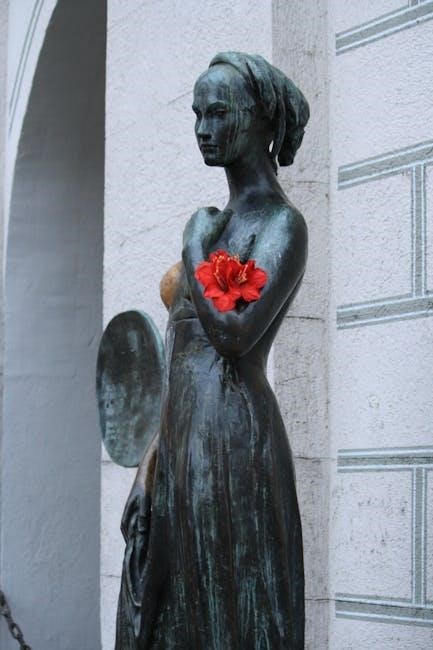
Romeo, ecstatic after the Capulet feast and Juliet’s reciprocated affection, urgently seeks Friar Laurence’s counsel․ He reveals his love for Juliet and implores the Friar to secretly marry them․ This scene highlights Romeo’s impulsive nature and his willingness to defy societal norms for love․
Friar Laurence, initially surprised by the swiftness of Romeo’s change of heart, cautiously questions his motives․ He delivers a stern lecture on the fleeting nature of youthful passion, warning Romeo against superficial infatuation․ However, Romeo’s fervent declarations and genuine emotion eventually sway the Friar․
Ultimately, Friar Laurence agrees to marry Romeo and Juliet, hoping their union will end the long-standing feud between their families․ He believes this is a worthy risk, despite the potential consequences of their secrecy․ This decision sets in motion the central conflict and tragic events of the play․
Scene 4: Mercutio, Benvolio, and the Nurse ⎯ Comic Relief
This scene provides a much-needed contrast to the intense romance unfolding elsewhere, offering significant comic relief․ Mercutio, ever the witty and flamboyant character, engages in playful banter with Benvolio, showcasing his masterful use of puns and wordplay․ Their conversation is characterized by quick wit and a generally lighthearted tone․
The arrival of the Nurse, breathless and garrulous, further amplifies the comedic elements․ She deliberately delays revealing Juliet’s response to Romeo’s proposal, teasing both Mercutio and Benvolio with her rambling stories and exaggerated complaints about her physical exhaustion․
Her interactions are filled with malapropisms and earthy humor, creating a stark contrast to the refined language of the lovers․ This scene effectively builds tension through the Nurse’s delay, while simultaneously providing a humorous interlude before the anticipated revelation of Juliet’s feelings․

Scene 4: The Nurse’s Delay ⎯ Building Tension
The Nurse’s protracted delivery of Juliet’s response is a masterclass in dramatic tension․ Her deliberate dawdling, filled with complaints about her aches and pains, frustrates both Romeo and the audience․ This isn’t merely comedic timing; Shakespeare skillfully uses the delay to heighten anticipation and anxiety;
Mercutio’s increasingly sarcastic remarks and Benvolio’s attempts to temper his friend’s impatience underscore the mounting pressure․ The audience, aware of the lovers’ desperation, experiences the wait alongside Romeo, amplifying the emotional impact․
Shakespeare employs this technique to emphasize the obstacles facing Romeo and Juliet․ Even a simple message becomes fraught with difficulty, mirroring the larger societal forces conspiring against their love․ The Nurse’s delay isn’t just about her personality; it symbolizes the challenges and frustrations inherent in their forbidden romance, making the eventual reveal all the more powerful․
Scene 5: Juliet and the Nurse ⎯ Receiving the Message
This scene is characterized by a delightful interplay of impatience and anticipation as Juliet relentlessly questions the Nurse about Romeo’s message․ Her eagerness is palpable, contrasting sharply with the Nurse’s earlier teasing and deliberate slowness․ Juliet’s rapid-fire inquiries reveal her deeply invested emotions and her desperate need for reassurance․
The Nurse, enjoying Juliet’s agitation, prolongs the suspense, creating a comedic effect that simultaneously heightens the dramatic tension․ This playful back-and-forth showcases the close, almost maternal bond between the two characters․
When the Nurse finally reveals Romeo’s proposal, Juliet’s ecstatic reaction is a pivotal moment․ Her immediate acceptance demonstrates the strength and impulsiveness of her love․ This scene marks a significant step forward in their relationship, solidifying their commitment despite the risks and obstacles that lie ahead, setting the stage for the secret marriage․
Scene 5: Juliet’s Impatience and Anticipation
Juliet’s state of mind in this scene is dominated by an almost unbearable impatience․ Having confessed her love to Romeo, she is consumed by a desperate need for news of his response․ This anticipation fuels a flurry of anxious questioning directed towards the Nurse, who has been dispatched to deliver and receive messages․
Her emotional turmoil is evident in her frantic energy and the speed with which she presses the Nurse for information․ She cannot bear the delay, illustrating the intensity of her newfound love and the vulnerability she feels․ This scene beautifully portrays the agonizing wait for a lover’s reply, a universal experience heightened by the perilous circumstances of their forbidden romance․
Juliet’s eagerness isn’t merely romantic; it’s a manifestation of her agency, a desire to actively shape her destiny despite the constraints imposed by her family and society․ Her impatience underscores the transformative power of love in her life․
Scene 6: The Secret Marriage ⎯ A Turning Point

This scene represents a crucial turning point in Romeo and Juliet, solidifying the lovers’ commitment and irrevocably altering the course of the play․ Friar Laurence, hoping to end the feud between the Montagues and Capulets, secretly marries Romeo and Juliet, believing their union might bring peace to Verona․
The marriage is conducted in secrecy, emphasizing the forbidden nature of their love and the risks they are taking․ This clandestine ceremony underscores the societal pressures working against them and foreshadows the tragic consequences that will inevitably arise from their defiance․
The act of marriage itself symbolizes hope and a desperate attempt to control their fate․ However, it simultaneously sets in motion a chain of events that will ultimately lead to their downfall․ This scene marks a shift from hopeful romance to a dangerous gamble, escalating the stakes and intensifying the dramatic tension․