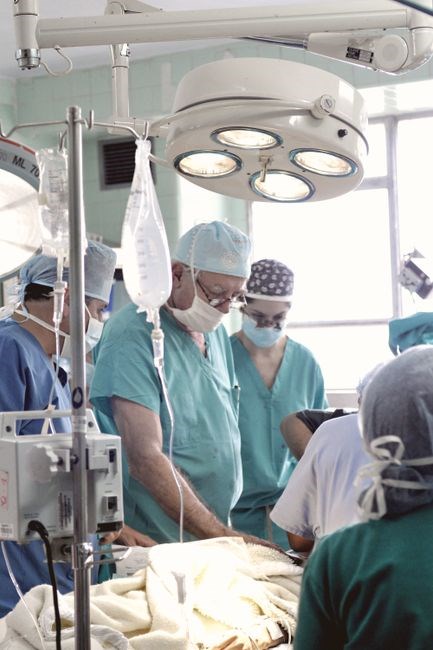
Legal and Ethical Foundations of Post Mortem Care
Legal and ethical foundations require physician certification‚ accurate death documentation‚ and compliance with state regulations. Nurses must respect patient dignity‚ obtain informed consent for post‑mortem care‚ and follow privacy laws while preparing the body for viewing. Respectful care. All rights.
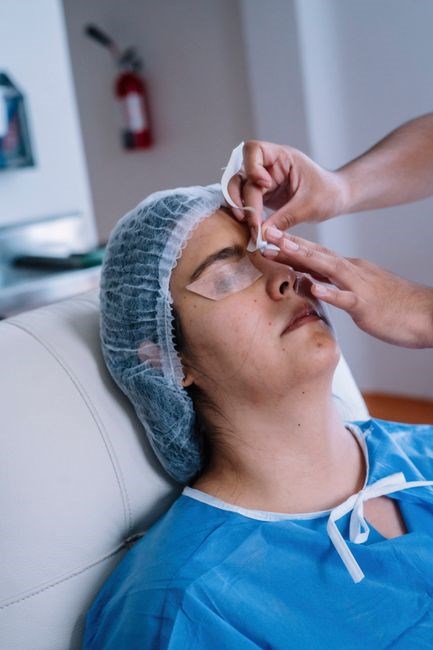
Certification of Death and Documentation Requirements
Certification of death is the first legal prerequisite for any post‑mortem procedure. A licensed physician or an authorized health‑care provider must formally declare death‚ recording the exact time‚ cause. The certification must be documented on and entered into the patient’s electronic health record within 24 hours. Accurate documentation protects the family‚ the institution‚ and the legal system from disputes and ensures compliance with state statutes. In many jurisdictions‚ a second physician’s review is required for deaths under 24 hours or with suspicious circumstances; an autopsy may be mandated by law or by the family’s request. The nurse’s role is to verify the certification‚ obtain a signed copy‚ and confirm that all necessary forms—such as the death notification‚ the hospital’s internal death report‚ and any state‑specific death‑reporting forms—are completed. Proper documentation also includes noting any post‑mortem procedures performed‚ the time of each action‚ and the personnel involved. This meticulous record‑keeping upholds the ethical principle of respect for the deceased and supports transparent communication with the bereaved family. Failure to follow these steps can result in legal liability‚ regulatory penalties‚ and ethical breaches that undermine trust in the health‑care system. Ensuring compliance with all legal and ethical standards not only protects the deceased but also upholds the dignity of the entire care team. All actions logged in record today daily!
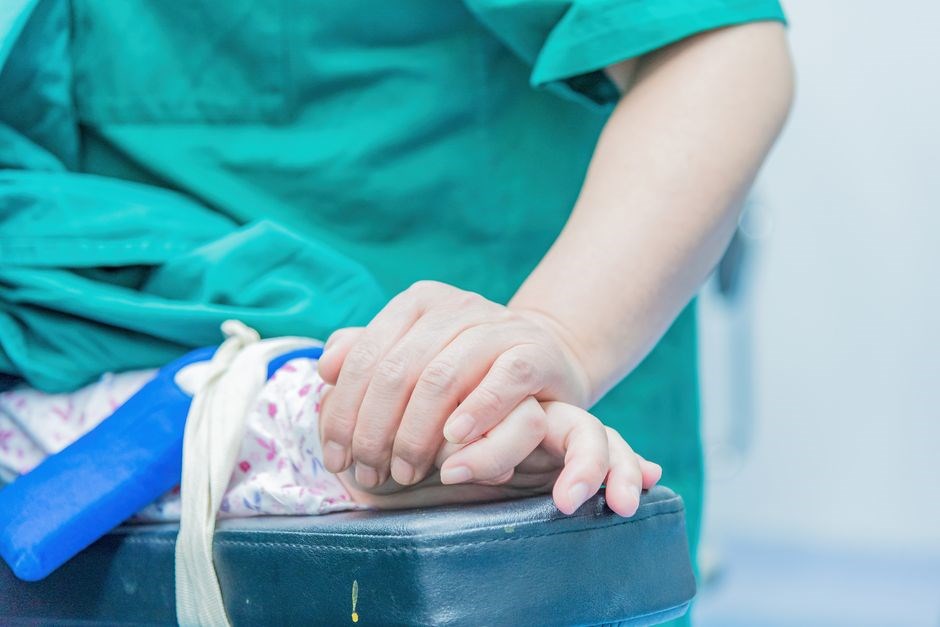
Preparation of the Care Environment and Equipment
Prior to any post‑mortem intervention‚ the nurse must ensure the setting is compliant with infection control and dignity standards. The room should be clean‚ well‑ventilated‚ and free of clutter. A dedicated‚ non‑slip surface is essential for patient safety. All equipment—bed‚ linens‚ cleaning supplies‚ and personal protective gear—must be inspected for sterility and functionality. The bed should be positioned at a 45‑degree angle to facilitate easy access while maintaining patient comfort. A full set of clean‚ breathable linens‚ a fresh towel‚ and a small basin of lukewarm water are prepared. Disinfectant wipes‚ a mild soap‚ and a soft sponge are ready for the washing step. The nurse arranges a portable‚ low‑profile table for dressing‚ ensuring it is stable and within reach. A discreet‚ privacy screen or curtain is positioned to respect the family’s presence. A digital clock is set for accurate timing of each procedure. All documentation forms are placed within arm’s reach‚ and a backup power source is confirmed. The environment is checked for adequate lighting‚ and a quiet‚ respectful atmosphere is maintained. This thorough preparation supports both legal compliance and compassionate care. The nurse also verifies that all cleaning agents are non‑allergenic‚ that the room temperature is set between 68°F and 72°F to prevent condensation‚ and that a wastebin is available for used linens. The entire setup is reviewed against institutional infection control policies before any contact with the body; All steps are documented in the chart for audit purposes.!
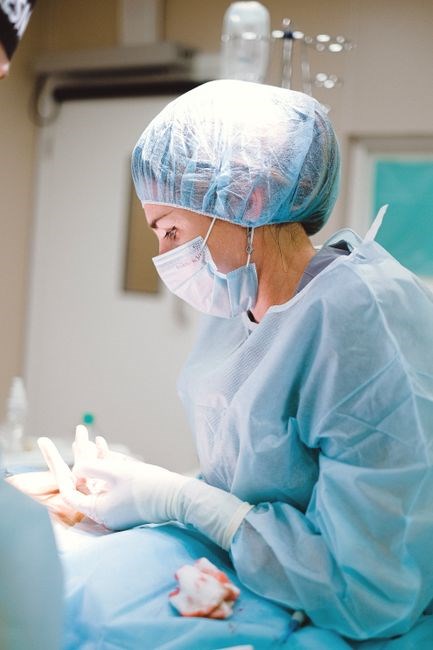
Personal Protective Equipment for Nursing Staff
Before any contact with the deceased‚ the nursing staff must don appropriate personal protective equipment (PPE) to safeguard against potential biohazards and to comply with institutional and legal mandates. The standard PPE ensemble includes a disposable gown that extends to the knees‚ a surgical mask or N95 respirator if aerosol‑generating procedures are anticipated‚ and a face shield or goggles to protect mucous membranes. Double‑layered gloves—latex or nitrile—are worn to prevent cross‑contamination; the outer gloves are changed after each patient encounter. A disposable head cover or cap is recommended when hair or scalp contact is possible. The entire ensemble should be inspected for integrity before use; any tears‚ punctures‚ or compromised seals mandate immediate replacement. Hand hygiene is performed with an alcohol‑based hand rub or soap and water for at least 20 seconds prior to donning and after doffing. The sequence of donning follows the “5‑step” method: gown‚ mask or respirator‚ goggles or face shield‚ gloves‚ and final hand hygiene. Doffing is performed in reverse order‚ with careful removal of gloves first‚ followed by gown‚ then goggles or face shield‚ mask‚ and concluding with hand hygiene. All used PPE is disposed of in a biohazard bag and labeled accordingly. The nurse also verifies that the PPE complies with OSHA and CDC guidelines‚ and that the facility’s infection control policy permits the selected gear. Documentation of PPE use is recorded in the patient’s chart to maintain traceability and accountability. By adhering to these protocols‚ nursing staff uphold both patient dignity and occupational safety during post‑mortem care. The facility may also provide reusable gowns for environmentally conscious settings‚ provided they are properly sterilized between uses. Training sessions on correct PPE use are mandatory for all staff involved in post‑mortem procedures to ensure consistency and reduce error.
Body Positioning‚ Stabilization‚ and Safety Precautions
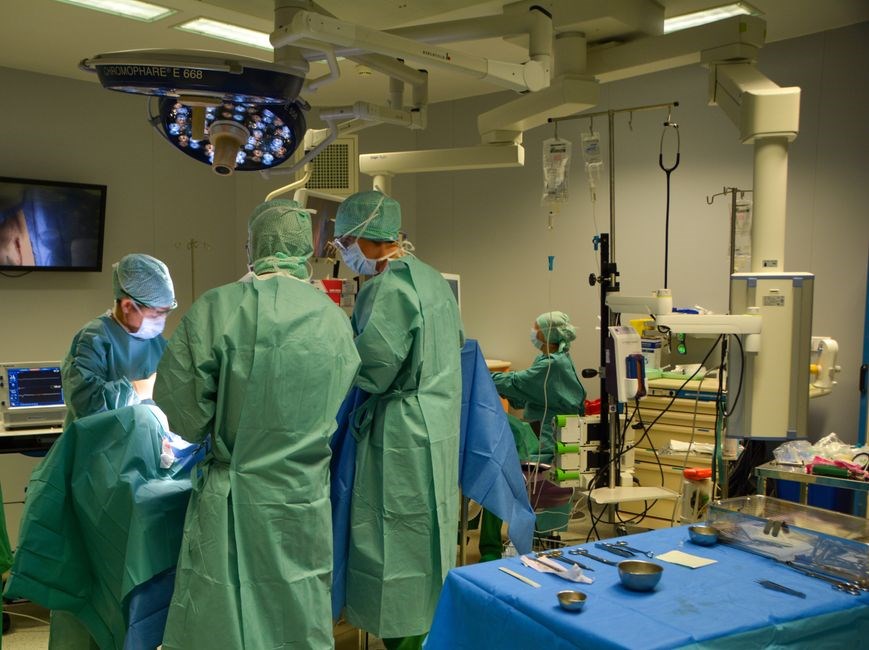
Proper positioning of the deceased preserves anatomical integrity and facilitates family viewing. The body is laid supine on a padded‚ flat surface‚ ensuring the head is slightly elevated to prevent airway obstruction. Arms are placed in a neutral‚ slightly abducted position‚ elbows flexed to avoid creases that could distort appearance. Legs are positioned in a neutral stance‚ knees slightly flexed‚ and feet secured with soft restraints or gentle adhesive tape to prevent unintended movement. Stabilization is achieved by using a body frame or adjustable support system that distributes weight evenly‚ reducing pressure points and preventing post‑mortem shift. Safety precautions include verifying that all intravenous lines‚ catheters‚ and tubes are securely clamped or removed before positioning to avoid accidental dislodgement or contamination. The environment should be free of sharp objects‚ and the floor should be non‑slippery to prevent falls. A secondary support‚ such as a padded wedge‚ can be placed under the pelvis to maintain spinal alignment. Staff should perform a quick visual check for any visible injuries or anomalies that may require documentation before the body is fully positioned. Throughout the process‚ the nurse maintains a calm demeanor‚ communicates clearly with the family‚ and ensures that the body remains in a dignified‚ respectful posture. Adhering to these protocols safeguards the integrity of the body‚ protects staff from potential hazards‚ and honors the deceased’s dignity. Additionally‚ staff should document the positioning method in the care plan‚ noting any adjustments made for comfort or cultural reasons‚ ensuring continuity of care and providing a reference for future audits today. for all. care.!
Systematic Cleaning and Washing of the Deceased Body
Cleaning begins with a gentle‚ circular wash using lukewarm water and a mild‚ fragrance‑free soap. The nurse applies a soft sponge‚ starting at the head and moving downward‚ ensuring each body part is washed thoroughly yet delicately to preserve skin integrity. The face is washed first‚ then the neck‚ shoulders‚ arms‚ torso‚ groin‚ and legs‚ with special attention to folds and creases. After rinsing‚ a clean towel is used to pat dry‚ avoiding excessive rubbing. The body is then inspected for any residual stains or medical devices that may need removal. All cleaning steps are documented in the care plan‚ noting time‚ materials‚ and any observed abnormalities. The process respects cultural and religious protocols‚ allowing for family participation if desired. Proper disposal of used linens and waste follows infection control guidelines‚ and the environment is sanitized to prevent cross‑contamination. This systematic approach ensures dignity‚ hygiene‚ and readiness for subsequent dressing or viewing.
During washing‚ the nurse maintains a calm tone‚ explaining each step to the family to foster transparency. If the body has a medical device‚ the nurse removes it with sterile technique‚ documenting the removal. After washing‚ the body is inspected for any signs of contamination or injury‚ and a final clean‚ dry towel is applied before proceeding to dressing. The nurse then checks for any remaining equipment or tubes‚ ensuring all are securely clamped or removed‚ and records the actions taken. This meticulous process upholds dignity and respects cultural protocols‚ providing the family with a clear understanding of the care provided.
All steps are recorded in the care log to ensure traceability and compliance with regulations and standard.
Dressing the Body and Selecting Appropriate Linens
After the body is clean and dry‚ the nurse selects linens that match the patient’s cultural and religious preferences while ensuring they are sterile‚ soft‚ and free of dyes that might stain. A clean‚ breathable sheet is laid over the body‚ followed by a fitted blanket that covers the torso and limbs‚ leaving the face exposed for viewing. The nurse then folds the linens in a manner that maintains the body’s natural posture‚ securing them with discreet‚ non‑abrasive ties or clips to avoid skin irritation. If the patient had a specific garment‚ such as a religious vest or uniform‚ the nurse respectfully places it over the body‚ ensuring it is free of contaminants. All linens are labeled with the patient’s name and identification number to prevent mix‑ups. The dressing process is performed with the same level of dignity and respect as the cleaning‚ and the nurse documents the type of linens used‚ the time of dressing‚ and any observations regarding the patient’s appearance. This meticulous approach helps families feel confident that the body is presented respectfully for viewing or burial.
Additional measures include verifying the body’s temperature to confirm death‚ checking for any changes‚ and ensuring the environment remains at a temperature for the family. The nurse also confirms that all personal items are accounted for and that the body is positioned in a way that honors the patient’s dignity. Documentation of these steps supports legal compliance and quality of care
Identification‚ Tagging‚ and Record Keeping
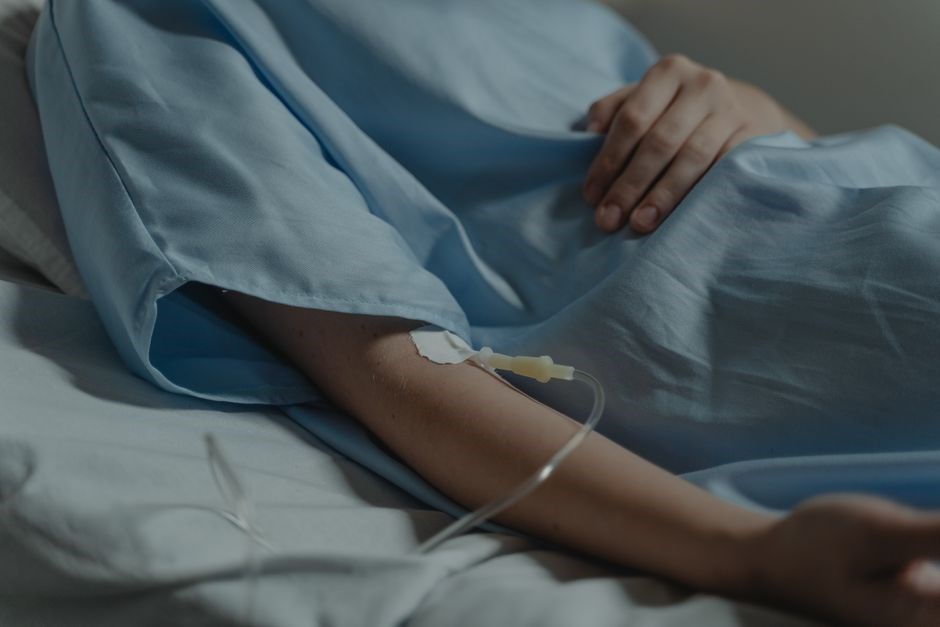
Accurate identification is the cornerstone of post‑mortem care. Each body receives a unique‚ tamper‑evident tag that includes the patient’s full name‚ medical record number‚ date and time of death‚ and the certifying physician’s signature. The tag is affixed to the wrist or ankle in a location that will remain visible throughout the transport and any post‑mortem procedures. In addition‚ a secondary identification bracelet is placed on the body to provide redundancy and to assist in distinguishing the deceased from any other bodies in the facility. The nurse records the tag number in the electronic health record (EHR) and prints a duplicate on a secure‚ fire‑proof card that is kept in a locked drawer until the body is released. All documentation—certification of death‚ body temperature‚ time of dressing‚ and any changes observed during the post‑mortem process—is entered within 24 hours to meet regulatory reporting requirements. The nurse also files a copy of the death certificate with the hospital’s legal department and sends a notification to the next of kin‚ ensuring that the family receives the correct identification information. By maintaining meticulous‚ contemporaneous records‚ the facility safeguards against misidentification‚ supports forensic investigations if required‚ and upholds the dignity of the deceased and their loved ones. Documentation must be stored securely for at least five years‚ and any changes to the tag or records should be logged with date‚ time‚ and staff initials to ensure traceability and .
Family Communication and Presence During Post Mortem Care
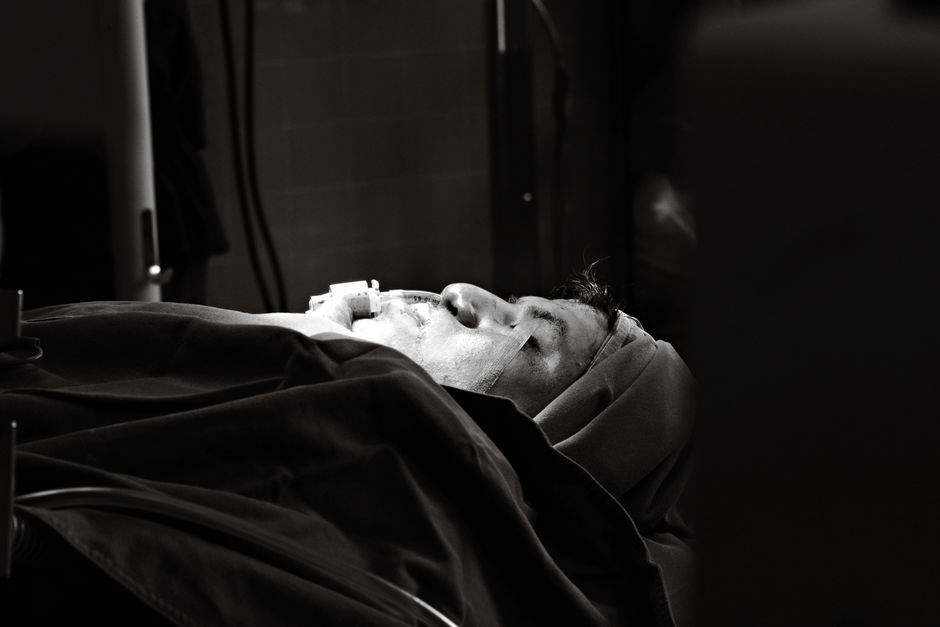
Effective communication with the family is essential during post‑mortem care. Nurses first confirm the patient’s identity and the physician’s certification of death‚ then give a clear‚ compassionate explanation of the procedures that will follow. The family is invited to observe the body in a private‚ well‑lit area‚ ensuring that the setting respects cultural and religious preferences. If the family wishes to be present‚ the nurse offers a brief orientation‚ explaining the steps of washing‚ dressing‚ and tagging‚ and reassures them that the process will be performed with the utmost dignity and respect. Nurses must also obtain verbal consent for any procedures that may alter the body’s appearance‚ such as removal of medical devices or the use of disinfectants that could change skin tone. Throughout the process‚ the nurse maintains a calm‚ respectful demeanor‚ allowing family members to ask questions and express emotions. After the body is prepared‚ the nurse provides the family with a written summary of the care performed‚ including the time of death‚ the body temperature‚ and any observations noted. This documentation is also shared with the family’s primary care provider or funeral home representative. By fostering open dialogue‚ the nurse helps the family feel involved‚ respected‚ and supported during a profoundly difficult time. The nurse also ensures that any cultural rituals are honored before the body is transferred…
Cultural‚ Religious‚ and Spiritual Considerations
Before initiating post‑mortem care‚ nurses should verify the patient’s cultural and religious background‚ as many traditions dictate specific rites for washing‚ dressing‚ and positioning the body. For example‚ certain faiths require the body to be washed with clean water‚ while others permit the use of antiseptic solutions. Nurses must also be aware of restrictions on the removal of medical devices; some cultures consider the body “whole” and prohibit any alteration. When a family requests a particular ritual‚ the nurse should coordinate with chaplains‚ clergy‚ or cultural liaisons to ensure compliance. If the patient had a preferred burial or cremation practice‚ the body must be dressed in a manner that preserves the integrity of the chosen attire‚ and any jewelry or personal items should be handled with care. In many traditions‚ the body is placed on a simple wooden slab or in a plain shroud; nurses should avoid using bright linens that may conflict with the family’s customs. Communication is key: nurses should ask open‑ended questions‚ listen attentively‚ and document any specific instructions. When a family wishes to perform a prayer or blessing‚ the nurse can facilitate the setting‚ ensuring privacy and respect for the ritual. Finally‚ nurses should be mindful of language barriers and provide translation services if necessary‚ so that the family fully understands the procedures and can participate meaningfully in the care of their loved one.
Documentation of cultural protocols is compliance! Nurses record rites performed and chaplain names. Collaboration with funeral directors ensures transfer aligns with wishes. Records uphold duty to honor the deceased’s identity!
Handling of Medical Equipment and Intravenous Lines
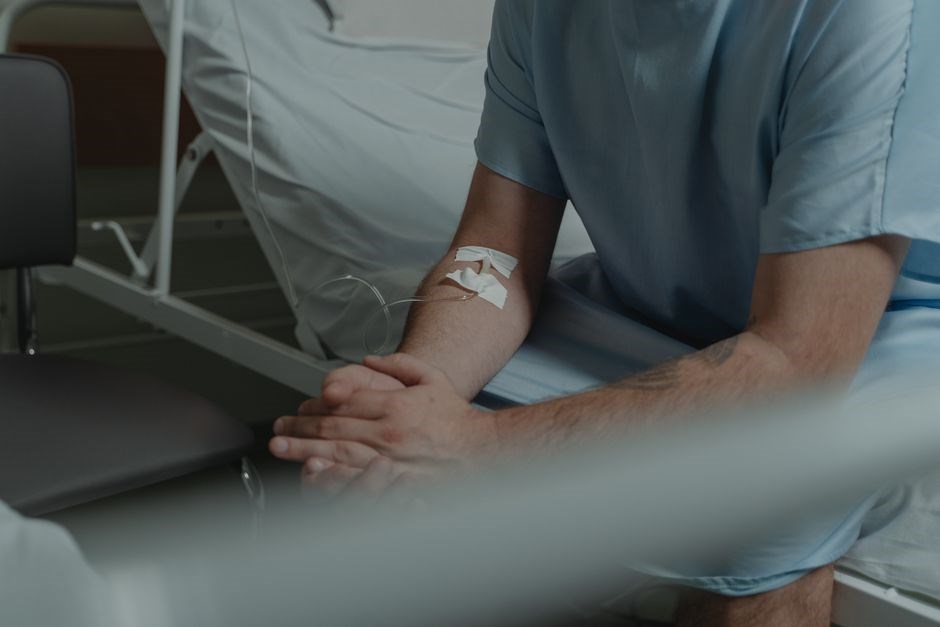
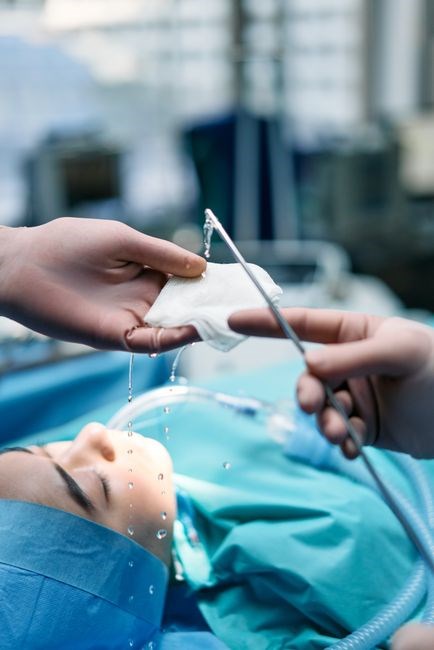
When a patient’s death is confirmed‚ nurses must safely remove all medical equipment‚ ensuring no contamination or injury to the body. First‚ disconnect and secure any intravenous (IV) lines‚ labeling them as “post‑mortem” and placing them in a biohazard container. Next‚ carefully detach catheters‚ tubes‚ and monitoring leads‚ noting the exact site and any residual fluid. All equipment should be inspected for integrity; damaged items are disposed of according to institutional hazardous waste protocols. After removal‚ the body is positioned for washing‚ with the nurse ensuring that any remaining lines are not pulled or tugged‚ which could compromise the body’s integrity. Documentation is critical: record the type‚ site‚ and condition of each device‚ the removal time‚ and any complications. If the patient had a central line‚ the nurse should note the catheter tip location and whether it was removed or left in place for autopsy purposes. Finally‚ the nurse should verify that all equipment has been accounted for before proceeding to the next care step‚ maintaining compliance with legal and ethical standards for post‑mortem handling.
Throughout the process‚ nurses must adhere to institutional infection control guidelines. Nurses should wear gloves and use a clean‚ disposable tray for each device. After removal‚ the IV bag is sealed‚ labeled‚ and placed in a sharps container. Any tubing with residual medication is flushed with sterile saline and disposed of. The nurse should also inspect the insertion site for signs of infection or bleeding‚ documenting findings. If the patient had a feeding tube‚ the nurse must note the tube type and whether it was removed or left for post‑mortem examination. Proper labeling of all removed items ensures traceability and supports forensic investigations if required. The entire procedure is recorded in the patient’s chart‚ including the time of removal‚ the person performing the task‚ and any observations. This documentation supports legal accountability and facilitates smooth transition to funeral services.
All sharps and contaminated materials are sealed in puncture‑proof containers per the institution’s biohazard policy. Nurses coordinate with pathology to ensure equipment removal does not interfere with forensic or autopsy procedures. All steps documented for audit!
Disposal‚ Transport‚ and Transfer of Remains
After the body is dressed and identified‚ the nurse prepares for the final transfer. First‚ the remains are placed in a sealable body bag‚ ensuring no gaps that could expose the body to the environment. The bag is labeled with the patient’s name‚ date of death‚ and a unique identifier. The nurse then secures the bag with a lid or clamp‚ following the facility’s biohazard protocol. Next‚ a transport cart or stretcher is positioned‚ and the body is moved onto it‚ keeping the body upright to maintain dignity and prevent pressure injuries. The transport team verifies the bag’s integrity‚ checks for residual equipment‚ and confirms that the body is free of fluids or contaminants. The nurse documents the time of transfer‚ the name of the transport personnel‚ and any observations. If a funeral home is involved‚ the nurse contacts the service provider‚ provides the unique identifier‚ and confirms the pickup time. The body is then transferred to the funeral home’s vehicle‚ where it is secured in a temp-controlled compartment. Throughout the journey‚ transport team maintains a chain of custody log‚ noting each handoff and ensuring compliance with state regulations. Upon arrival‚ the funeral home receives the body‚ verifies the documentation‚ and continues with preparation for viewing or burial. All steps are recorded in the patient’s chart and the facility’s logbook‚ ensuring traceability and legal compliance. This systematic approach preserves dignity‚ safeguards health‚ and supports family during transition
Quality Assurance‚ Training‚ and Continuous Improvement
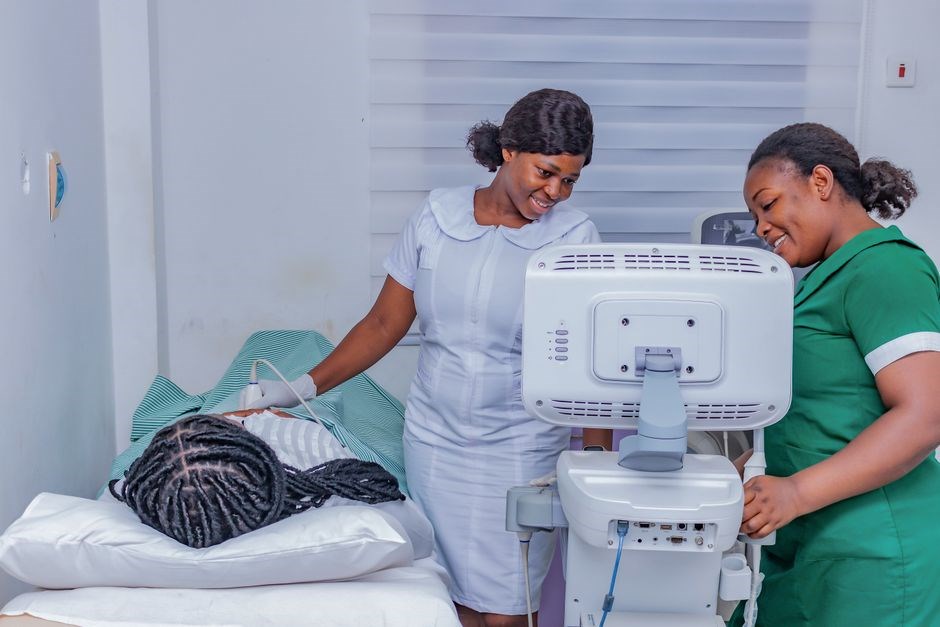
Quality assurance in post‑mortem nursing relies on systematic audit‚ peer review‚ and evidence‑based protocols. Each procedure is logged in a standardized chart‚ and periodic audits assess adherence to hand hygiene‚ PPE use‚ and body‑handling standards. Training modules cover anatomy‚ infection control‚ cultural sensitivity‚ and legal documentation. Competency is verified through simulation drills and written exams. Continuous improvement is driven by incident reports; any deviation triggers root‑cause analysis and corrective action plans. Staff receive quarterly refresher courses‚ and new hires undergo a mentorship program. Feedback from families is collected via surveys‚ informing practice adjustments. Data analytics track turnaround times‚ error rates‚ and compliance scores‚ enabling targeted interventions. Interdisciplinary meetings review best practices‚ update SOPs‚ and integrate emerging research. By embedding a culture of accountability and learning‚ the unit maintains high standards‚ protects patient dignity‚ and ensures regulatory compliance.
Quality assurance metrics include time‑to‑completion‚ error rates‚ and family satisfaction scores.Simulation training updates protocols‚ while interdisciplinary debriefings identify gaps. Data dashboards provide real‑time visibility‚ enabling rapid corrective action. Staff engagement surveys gauge morale‚ informing leadership decisions. Ongoing audits reinforce accountability‚ fostering a culture of excellence and patient dignity.