Voodoo symbols, particularly veves, are sacred visual representations of lwa, central to Vodou rituals and beliefs across the African diaspora․
These symbols, often found in downloadable PDF guides, serve as focal points for communication and invocation of spiritual entities, embodying complex meanings․
What is Voodoo?
Voodoo, or Vodou, is a complex and often misunderstood religion originating in West Africa, primarily among the Fon and Yoruba peoples, and evolving through the transatlantic slave trade in places like Haiti and Louisiana․ It’s a syncretic faith, blending West African traditions with Roman Catholicism and Indigenous beliefs․
At its core, Voodoo centers on a relationship with lwa (also spelled loa), powerful spirits who act as intermediaries between humanity and Bondye (the supreme creator)․ Understanding Voodoo necessitates recognizing the importance of its visual language, including symbols often detailed in PDF resources․ These symbols aren’t merely decorative; they are integral to rituals, offerings, and communication with the spirit world, representing the essence and attributes of each lwa․
Exploring Voodoo symbols through available PDF guides provides insight into this rich spiritual tradition․
The Significance of Symbols in Voodoo
Symbols within Voodoo aren’t simply representations; they are potent conduits to the spirit world, embodying the essence and power of the lwa․ They serve as visual keys, unlocking communication and facilitating interaction during rituals and ceremonies․ The intricate designs, particularly veves, aren’t created randomly but are meticulously drawn according to established traditions․
Accessing Voodoo symbols through PDF guides reveals their layered meanings and specific applications․ Each symbol corresponds to a particular lwa, possessing unique attributes and requiring specific offerings․ These visual elements are crucial for directing energy and establishing a connection with the desired spirit․ Studying these symbols in PDF format offers a deeper understanding of the faith’s complex cosmology․
Understanding Veves
Veves are sacred Voodoo symbols, often detailed in PDF guides, drawn during rituals to invoke specific lwa, acting as visual maps to the spirit realm․
What is a Veve?
A veve, sometimes spelled vèvè, is a ceremonial drawing utilized within Vodou traditions – including Haitian Vodou and Louisiana Voodoo – and represents a visual depiction of specific lwa, or spirits․ These sacred geometric designs aren’t simply artistic expressions; they are potent spiritual tools․ Detailed examples and explanations are often compiled in readily available Voodoo symbols PDF resources․
Constructed using materials like cornmeal, coffee grounds, or ash, a veve is drawn on the floor during rituals․ The process isn’t random; each line and shape holds symbolic significance, corresponding to the characteristics and mythology of the invoked spirit․ Studying Voodoo symbols PDF guides reveals the intricate details and meanings embedded within each veve’s unique design, offering insight into the complex cosmology of Vodou․
The Purpose of Drawing Veves
The creation of a veve isn’t merely decorative; it serves as a crucial element in Vodou ceremonies, acting as a visual invitation and focal point for the lwa to descend and inhabit the ritual space․ Detailed illustrations and explanations of this process are frequently found within comprehensive Voodoo symbols PDF guides․
Drawing a veve establishes a direct energetic connection between the practitioner and the spirit, facilitating communication and offering․ The specific design of the veve corresponds to the individual lwa being honored, reflecting their personality, attributes, and preferred offerings․ Resources like Voodoo symbols PDF documents emphasize that a correctly drawn veve is essential for a successful and respectful ritual interaction․
Materials Used to Create Veves
Traditionally, veves are drawn on the ground using natural materials, though contemporary practice sometimes adapts to available resources․ Common materials include cornmeal, coffee grounds, flour, or powdered eggshells – substances holding symbolic significance within Vodou cosmology․ Detailed Voodoo symbols PDF guides often illustrate the traditional methods and material choices․
The selection isn’t arbitrary; each material carries its own energetic properties and associations with specific lwa․ Some practitioners also utilize colored powders, further enhancing the veve’s visual and spiritual impact․ Studying Voodoo symbols PDF resources reveals that the act of creating the veve, and the materials used, are integral to the ritual’s power and effectiveness․
Key Voodoo Symbols and Their Meanings
Voodoo symbols, detailed in numerous PDF guides, represent powerful lwa, each with unique attributes and roles within the spiritual landscape of Vodou․
Papa Legba: The Opener of the Ways
Papa Legba is a profoundly important loa in Vodou, considered the gatekeeper between the spirit world and humanity, often depicted as an old man with a limp․ Numerous PDF resources detail his significance, emphasizing his role in allowing access to other spirits during ceremonies․
He stands at the crossroads, a potent voodoo symbol itself, and is invoked first in any ritual to open the pathways for communication․ Understanding Legba’s symbolism, as explained in various guides, is crucial for practitioners; His presence ensures successful interactions with the lwa, making him indispensable in Vodou practice․ He embodies wisdom, patience, and the power of transition․
Legba’s Veve Design
Papa Legba’s veve is a distinctive symbol, frequently illustrated in Voodoo symbols PDF guides, typically depicting a stylized face with a prominent nose and mouth, often resembling a keyhole․ This design represents the gateway he unlocks․ The veve is drawn on the ground using cornmeal, flour, or other powdered substances during rituals․
Its precise form can vary slightly depending on the tradition, but the core elements remain consistent․ Detailed PDF resources showcase variations and explain the significance of each line and curve․ The veve isn’t merely decorative; it’s a sacred map, a visual invocation that calls upon Legba’s presence and power to open the spiritual pathways․
Offerings to Papa Legba
Papa Legba, as the gatekeeper, receives specific offerings detailed in many Voodoo symbols PDF resources․ Traditionally, he is offered a glass of rum (often white rum), a black dog, coffee, tobacco, and cornbread․ These gifts symbolize hospitality and respect, acknowledging his role as the first spirit addressed in any Vodou ceremony․
PDF guides emphasize the importance of presenting these offerings with reverence and intention․ The rum is poured on the ground near his veve, inviting his presence․ The black dog, though less common today, historically represented a companion for his journey․ Understanding these offerings, as outlined in comprehensive PDFs, is crucial for successful communication with Legba․
Erzulie Freda: The Spirit of Love and Beauty
Erzulie Freda embodies love, beauty, luxury, and femininity within the Vodou pantheon․ Voodoo symbols PDF guides detail her complex nature, often depicting her as a glamorous and refined spirit․ She is frequently invoked for matters of the heart, attracting love, and enhancing personal beauty․ Her devotees seek her blessings for romantic relationships and artistic inspiration․
PDF resources illustrate that understanding her preferences is key to successful interaction․ She appreciates fine things – perfumes, roses (especially pink ones), mirrors, sweet foods, and champagne․ These offerings, detailed in Voodoo symbols PDFs, demonstrate respect and attract her benevolent attention, fostering a connection with this powerful lwa․
Erzulie Freda’s Veve Design
Erzulie Freda’s veve is a visually striking symbol, typically depicted as a heart pierced by a single arrow, often adorned with flowing curves and delicate embellishments․ Voodoo symbols PDF guides showcase variations, but the core heart motif remains consistent, representing love and vulnerability․ The arrow signifies both the joy and potential pain inherent in romantic connections․
Detailed Voodoo symbols PDF resources explain the precise execution of the veve is crucial․ The lines must be fluid and graceful, reflecting Erzulie Freda’s elegance․ Often, a mirror is placed near the veve during rituals, symbolizing her vanity and inviting her presence․ Studying these PDFs provides insight into the symbolic weight of each element․
Associated Colors and Offerings
Erzulie Freda is strongly associated with the colors pink, white, and gold, representing love, purity, and luxury respectively․ Voodoo symbols PDF guides frequently detail these color correspondences, emphasizing their importance in ritual attire and altar decorations․ Offerings to this lwa typically include roses (especially pink ones), perfumes, sweet foods like cakes and candies, and jewelry․
PDF resources on Voodoo symbols also highlight the significance of mirrors, combs, and other items representing beauty and self-care․ These offerings are presented to honor her vanity and attract her blessings․ Understanding these symbolic connections, as outlined in detailed PDFs, is vital for respectful and effective interaction with Erzulie Freda․
Damballah and Ayida Wèdo: The Serpent Spirits
Damballah and Ayida Wèdo are primordial serpent spirits representing creation, wisdom, and the cosmic axis in Vodou․ Voodoo symbols PDF guides often depict them intertwined, symbolizing the union of masculine and feminine energies․ Damballah is typically represented as a white serpent, while Ayida Wèdo is a rainbow serpent, embodying the water and the sky․
These PDF resources emphasize their importance as ancestors and sources of all life․ Their symbols are central to rituals seeking blessings for fertility, healing, and spiritual growth․ Studying Voodoo symbols in PDF format reveals the nuanced iconography and the deep reverence accorded to these powerful serpent deities․
Damballah’s Veve Design
Damballah’s veve is a striking visual representation, typically depicted as a winding serpent, often a single, unbroken line forming a spiral or wave-like pattern․ Voodoo symbols PDF guides illustrate this design as a symbol of continuity and the cyclical nature of life․ The central point of the veve represents the origin of creation, with the serpent’s body embodying the universe itself․
Detailed PDF resources showcase variations in the design, but the core element remains the serpentine form․ Understanding Damballah’s veve through Voodoo symbols PDF materials is crucial for practitioners, as it serves as a focal point during rituals and a conduit for connecting with this powerful spirit․
Ayida Wèdo’s Veve Design
Ayida Wèdo’s veve is visually distinct, often portrayed as a rainbow arching over a serpentine form, representing the union of the serpent spirits, Damballah and Ayida Wèdo themselves․ Voodoo symbols PDF guides frequently depict this design as a symbol of the rainbow, water, and femininity․ The arch symbolizes the bridge between the spiritual and material realms․
PDF resources dedicated to Voodoo symbols highlight the importance of the veve’s colors, often including shades of blue and white․ Studying Ayida Wèdo’s veve through detailed PDF materials allows practitioners to understand its complex symbolism and utilize it effectively in rituals, honoring this vital spirit․
Ogou: The Warrior Spirit
Ogou, a powerful Voodoo spirit embodying courage, strength, and justice, is often invoked for protection and victory․ Voodoo symbols PDF resources illustrate Ogou’s multifaceted nature through his associated imagery – swords, machetes, and military emblems․ These PDF guides detail how Ogou represents both physical and spiritual warfare, defending against negativity․
Detailed PDF analyses of Voodoo symbols reveal that Ogou’s veve typically features a sword or a cross-like structure, symbolizing his power and authority․ Studying these PDF materials provides insight into the proper protocols for honoring Ogou and requesting his assistance in overcoming obstacles․
Ogou’s Veve Design
Ogou’s veve, meticulously detailed in numerous Voodoo symbols PDF guides, is a striking representation of his warrior essence․ Typically, it’s depicted as a sword, often resembling a stylized cross with a prominent blade extending downwards․ These PDF resources emphasize the importance of precise linework when recreating the veve, as accuracy is crucial for effective invocation․
PDF analyses showcase variations in the design, sometimes including additional symbols representing Ogou’s specific aspects – such as a machete or military insignia․ Studying these Voodoo symbols PDF documents reveals that the veve isn’t merely decorative; it’s a sacred map for connecting with Ogou’s energy․
Ogou’s Role in Voodoo Practice
Ogou, the powerful warrior spirit, plays a vital role in Voodoo, often invoked for protection, courage, and justice – details extensively covered in Voodoo symbols PDF guides․ These PDF resources explain that Ogou assists with overcoming obstacles and defending against enemies, both physical and spiritual․
PDF analyses highlight his association with iron, tools, and military endeavors․ Practitioners consult Voodoo symbols PDF documents to understand appropriate offerings and rituals to honor Ogou, seeking his aid in legal battles, physical challenges, or spiritual warfare․ His veve serves as a focal point during ceremonies, facilitating communication and receiving his blessings․
Marasa: The Twin Spirits
Marasa, the divine twin spirits, hold a uniquely sacred position in Voodoo, representing wholeness, duality, and the interconnectedness of life – insights readily available in comprehensive Voodoo symbols PDF guides․ These PDF resources detail how Marasa are often invoked for healing, fertility, and protection of children․
PDF analyses emphasize the importance of twins within the faith, considered exceptionally blessed and embodying a powerful spiritual force․ Practitioners utilize Voodoo symbols PDF to understand the specific rituals and offerings appropriate for honoring Marasa, seeking their guidance and blessings for family well-being and spiritual growth․
Marasa’s Veve Design
The Veve for Marasa, meticulously detailed in numerous Voodoo symbols PDF guides, is characterized by two interconnected spirals or serpent-like forms, often depicted as mirroring each other․ These PDF resources illustrate how this design symbolizes the twins’ inseparable bond and their representation of duality․
Voodoo symbols PDF analyses explain that the central point where the spirals meet signifies unity and the source of their combined power․ The precise execution of the Veve, as shown in these guides, is crucial for successful invocation, requiring careful attention to detail and intention․ Practitioners consult PDFs to ensure accuracy․
The Importance of Twins in Voodoo
Voodoo symbols PDF resources consistently highlight the profound significance of twins within the Vodou tradition, embodied by the Marasa․ Twins are not merely seen as individuals but as a single entity, possessing a unique spiritual force and representing wholeness․ These PDF guides detail how they bridge the earthly and spiritual realms․
PDF analyses explain that Marasa are often invoked for healing, protection, and guidance, particularly concerning matters of fertility and children․ The reverence for twins, as documented in Voodoo symbols PDFs, stems from a belief in their inherent sacredness and their connection to the divine․ Their presence is considered exceptionally auspicious․
Other Important Voodoo Symbols
Voodoo symbols PDF guides reveal that beyond veves, symbols like Gran Bwa and Baron Samedi hold deep meaning, representing nature and death respectively․
Gran Bwa: The Forest Spirit
Gran Bwa, meaning “Great Wood” in Haitian Creole, embodies the powerful spirit of the forest within Vodou traditions․ Often depicted as a towering, tree-like figure, Gran Bwa represents the untamed wilderness, ancestral knowledge, and the potent energies residing within nature․
Voodoo symbols PDF resources illustrate that Gran Bwa is a guardian of the forest, protecting its secrets and offering wisdom to those who seek it with respect․ He is a spirit of immense age and authority, connected to the roots of Vodou itself․ Offerings to Gran Bwa frequently include cigars, rum, and coffee, acknowledging his strength and connection to the earth․ His presence is invoked for healing, protection, and guidance, particularly concerning matters related to the natural world․
Baron Samedi: The Lord of the Dead
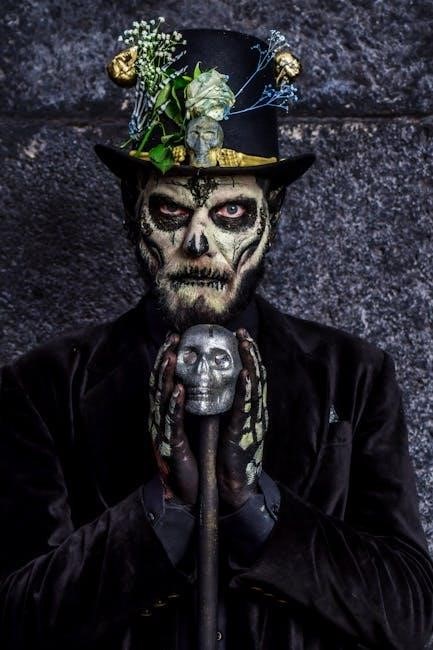
Baron Samedi reigns as the powerful and flamboyant Loa of the dead in Haitian Vodou, a figure both feared and respected․ Often depicted wearing a top hat, sunglasses, and carrying a cane, he presides over cemeteries and governs the passage between life and death․ Voodoo symbols PDF guides detail his crucial role in ensuring souls safely transition to the afterlife․
He’s known for his mischievous sense of humor and fondness for rum, cigars, and black coffee – common offerings․ Baron Samedi isn’t a sinister figure, but rather a gatekeeper, and his intervention is sought for protection, revenge, and to honor ancestors․ His veve, a complex design, is central to rituals aimed at connecting with this potent spirit․

The Crossroads Symbol
The crossroads hold immense spiritual significance in Vodou, representing liminal spaces – thresholds between worlds, and opportunities for transformation․ Often depicted as a simple ‘X’ shape, this potent voodoo symbol, detailed in many PDF guides, is a meeting point for spirits and a place where offerings are traditionally left․
It’s associated with Papa Legba, the opener of the ways, who dwells at the crossroads, controlling access to other Loa․ Rituals performed at crossroads aim to invoke spiritual assistance, seek guidance, or petition for change․ The crossroads aren’t merely a location, but a symbolic representation of choice, destiny, and the intersection of fate․
Symbolism Beyond Veves
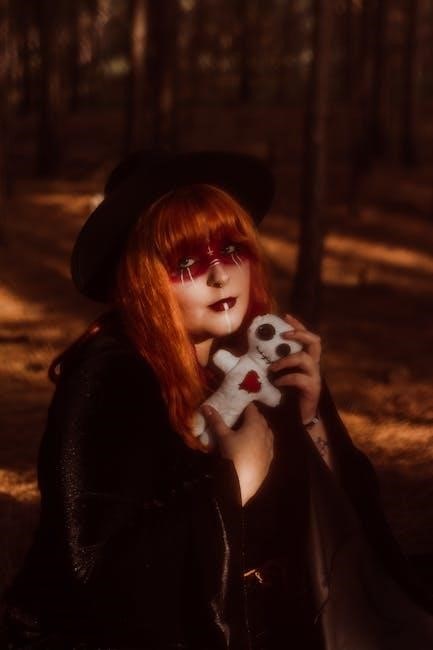
Voodoo symbols extend beyond veves, encompassing colors, objects like bottles and stones, and beads—all detailed in PDF resources—holding deep spiritual meaning․
Colors in Voodoo and Their Meanings
Colors within Vodou are profoundly symbolic, each hue resonating with specific lwa and energies, often detailed within comprehensive Voodoo symbols PDF guides․ White represents purity, spirituality, and the ancestors, frequently used for peaceful intentions and healing rituals․ Red embodies passion, vitality, and the power of Ogou, the warrior spirit, signifying courage and strength․
Yellow is associated with wealth, intellect, and Erzulie Freda, the spirit of love and beauty, attracting prosperity and affection․ Black symbolizes death, the ancestors, and Baron Samedi, representing transformation and the mysteries of the spirit world․ Blue connects to Damballah, the serpent spirit, representing wisdom, healing, and the cosmos․ Green signifies growth, prosperity, and connection to nature, often linked to Gran Bwa, the forest spirit․ Understanding these color correspondences, as outlined in PDF resources, is crucial for effective ritual practice․
Objects Used as Symbols (e․g․, bottles, stones)
Beyond veves, Vodou utilizes a rich array of objects as potent symbols, frequently documented in detailed Voodoo symbols PDF guides․ Bottles, often containing perfumes, rum, or other offerings, represent vessels for lwa energies and are dedicated to specific spirits like Erzulie․ Stones, particularly river stones, symbolize grounding, stability, and connection to ancestral power, used in altars and rituals․
Mirrors reflect the spirit world, facilitating communication, while coins represent wealth and prosperity, offered to attract abundance․ Gourds serve as containers for offerings and are linked to fertility and growth․ These objects, alongside others like shells and tools, aren’t merely decorative; they are imbued with spiritual significance, acting as conduits to the lwa, as explained within comprehensive PDF resources on Vodou symbolism․
The Role of Beads and Jewelry
Beads and jewelry hold significant symbolic weight in Vodou, extensively detailed in many Voodoo symbols PDF resources․ Specific colors correspond to particular lwa; for example, red often represents Ogou, the warrior spirit, while white is associated with purity and the ancestors․ Beads aren’t simply adornment but act as protective amulets and conduits for spiritual energy․
Necklaces, bracelets, and rosaries are frequently used during rituals, enhancing connection with the spirit world․ Certain materials, like cowrie shells, possess inherent spiritual power․ Jewelry can also denote initiation status or devotion to a specific lwa․ Detailed PDF guides illustrate the intricate meanings behind bead arrangements and materials, offering insight into their crucial role in Vodou practice and symbolism․
Finding Voodoo Symbol Resources (PDFs and Guides)
Numerous Voodoo symbols PDF guides and resources are available online, offering detailed visual representations and interpretations of veves and other sacred imagery․
Reliable Sources for Voodoo Symbol Information
When researching Voodoo symbols, especially through PDF guides, prioritizing credible sources is crucial․ Academic publications focusing on African diasporic religions and Haitian Vodou often provide accurate depictions and interpretations of veves and associated symbolism․ Look for works by scholars specializing in religious studies and anthropology․
Museum websites dedicated to African and Caribbean cultures frequently feature sections on Vodou, including explanations of key symbols; Reputable online encyclopedias of religion can also be helpful starting points, but always cross-reference information․ Be wary of websites promoting sensationalized or inaccurate portrayals of Vodou; seek out resources created by practitioners or those with demonstrable expertise․ Carefully evaluate the author’s credentials and the source’s overall objectivity before accepting information as factual․
Caution Regarding Misinformation
The internet abounds with inaccurate and often harmful depictions of Voodoo symbols, particularly within freely available PDF documents․ Many sources misrepresent veves, attributing incorrect meanings or associating them with negative stereotypes․ Sensationalized content frequently overshadows authentic spiritual practices, perpetuating damaging myths․
Exercise extreme caution when encountering information online, especially if it lacks scholarly backing or originates from non-practitioner sources․ Be skeptical of websites promising instant power or offering “secret” interpretations of symbols․ Remember that Vodou is a complex, living religion with deeply held beliefs; respecting its traditions requires diligent research and a critical approach to information․ Prioritize verified sources and avoid contributing to the spread of misinformation․